

How ToArticle
How to Overseed Your Lawn
Thicken and bring life to your lawn by overseeding. Use these tips from Scotts and Blain's Farm & Fleet to get started.
Read More August 31, 2023 | Blain's Farm & FleetWhen it comes to maintaining a lush and healthy lawn, having the right tools at your disposal can make all the difference. One of these essential tools is a lawn spreader, which you can use to spread a variety of lawn-care products, such as fertilizer, grass seed, and even ice melt.
Learn about the different types of spreaders available, including handheld spreaders, broadcast spreaders, and drop spreaders. And discover the advantages and best use cases for each.
If you’re in the market for a lawn spreader but aren’t sure where to start, you’ve come to the right place. Choose the perfect spreader for your lawn with Blain’s Farm & Fleet.
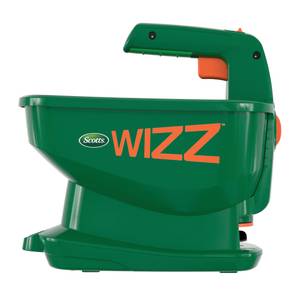
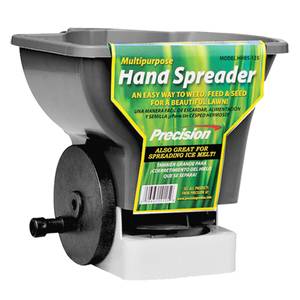
This type of lawn spreader is great for use in small lawns or tight spaces. You can quickly distribute whatever you add to the hopper broadcast style by using a hand crank.
Handheld spreaders give you the mobility you need to apply ice melt in the winter. If accuracy is important, these units also give you the ability to treat a small patch of your lawn with seed or fertilizer.
Broadcast spreaders are by far the most popular type of lawn spreaders available. A rotating disc distributes its contents in an arc-shaped manner. If accuracy is your priority, a broadcast spreader might not be what you need, as speed is the main purpose of these units.
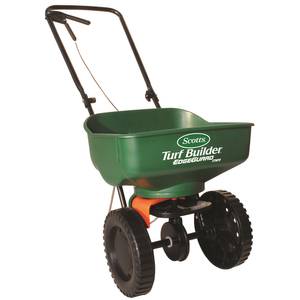
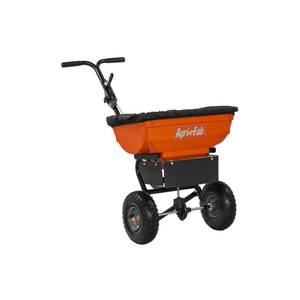
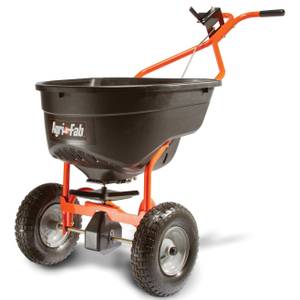
Push broadcast spreaders are walk-behind devices, similar to lawn mowers. By pushing the spreader, the wheels turn a mixer inside the hopper. And the broadcast device spreads the material over a wide area. They are great for a standard-sized lawn.
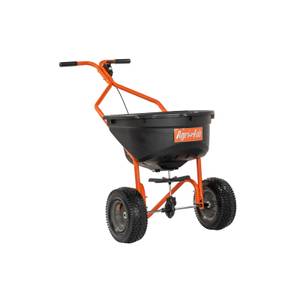
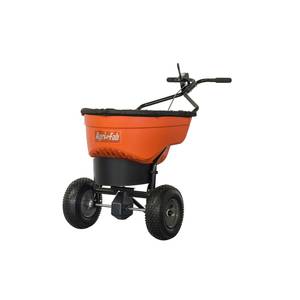
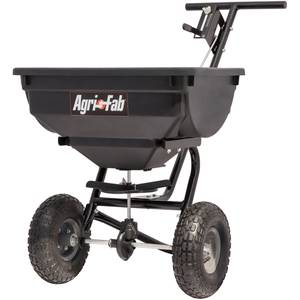

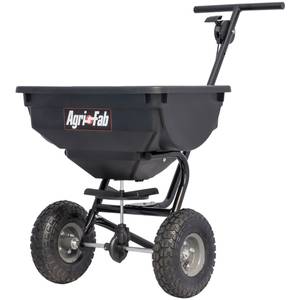
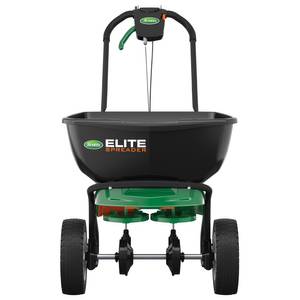

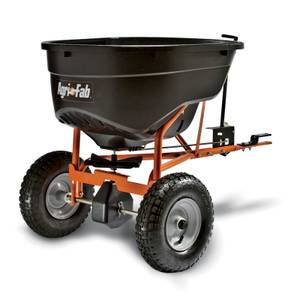
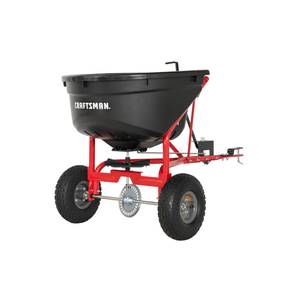
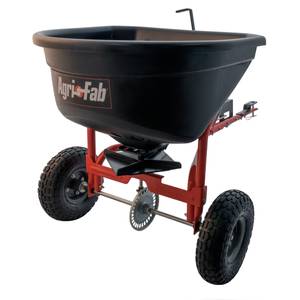
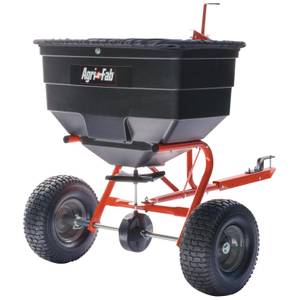
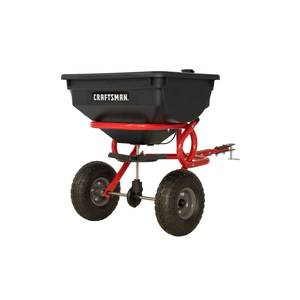
These spreaders are attachments that you can pull behind a lawn mower or ATV. If you have a medium to very large lawn that you need to seed or fertilize, this type is your best bet.

Drop spreaders apply the material in a line straight down from the hopper. The materials are not spread, but distributed in an even line. This makes drop spreaders the best option for accurate distribution.
The tricky part can be making sure you overlap your rows, avoiding striping when fertilizing your lawn. Striping results in different-colored rows along your fertilizer pattern.
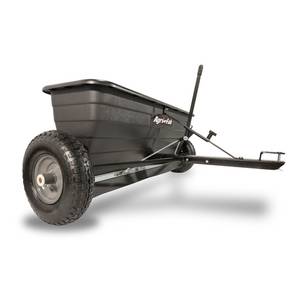
You may want to invest in lawn spreaders that have pneumatic wheels. Standard plastic wheels tend to slide along the grass. This can lead to slipping or uneven distribution of grass seed or fertilizer. Use gripping pneumatic wheels if you use your spreader for ice melting in the winter.
You can find more tips on how to make your lawn the envy of the block by reading some of our other Outdoor Equipment & Tools articles.