Keeping stalls and barn areas clean and dry is an important part of routine livestock care. Barn lime is commonly used in animal areas to help manage damp conditions and support a cleaner stall environment.
In this guide from Blain’s Farm & Fleet, we’ll cover the various uses and advantages of barn lime. Whether you’re dealing with persistent barn odors, excess moisture, or issues with fly control flies around the barn, barn lime provides simple yet effective solutions. By understanding how to use this versatile product, you can create a more pleasant and productive environment for both you and your livestock.
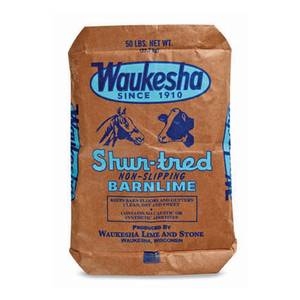
Barn lime, also known as agricultural lime, is a ground limestone product primarily made of calcium carbonate. It is commonly used in livestock areas such as stalls, pens, and barn floors where moisture and waste can build up over time.
Barn lime is often applied under bedding or in damp problem areas as part of routine stall maintenance. It can help support drier conditions and cleaner surfaces, but it works best alongside regular manure removal, fresh bedding, and good ventilation.
Barn Lime vs. Hydrated Lime
Barn lime and hydrated lime are different products. Barn lime is commonly used in livestock areas, while hydrated lime should not be treated as a direct substitute in stalls or other animal spaces. If you are choosing a product for a barn or stall, always check the label and intended use before applying it.
Animal waste and wet bedding can create strong odors in stalls and barn areas. Barn lime is often used as part of a cleaning routine to help manage odor in damp spots where waste tends to collect.
2. Moisture Control
Excess moisture in barns can lead to bacterial growth and uncomfortable living conditions for livestock. Barn lime absorbs moisture from barn floors, reducing the dampness that can lead to unpleasant odors and harmful bacterial growth.
3. Improved Health of Livestock
Using barn lime helps to balance pH levels, which leads to better overall hygiene in your barn. A balanced pH level reduces the risk of respiratory issues and hoof problems in livestock.
Wet, dirty conditions can increase stall-related problems over time. Keeping floors cleaner and drier may help reduce those risks, especially when barn lime is used along with regular bedding changes and manure removal.
4. Fly Control
Flies are attracted to moist and dirty environments. By using barn lime to dry out manure and other organic materials, you can reduce fly populations in your barn.
When setting up a new barn or preparing a new floor, applying lime can establish a healthy foundation. Spread a base layer of barn lime before adding bedding materials to ensure initial moisture control and pH balance.
Regular Maintenance
For ongoing benefits, incorporate barn lime into your regular maintenance routine. Apply it weekly to high-traffic areas and bedding zones to continually combat moisture and odor. You should also apply it after thoroughly cleaning and disinfecting the barn. Reapplying barn lime after each cleaning will help restore its protective barrier.
Specific Situations
Certain situations may require more frequent or targeted use of barn lime. During rainy seasons or in areas with high humidity, increase the frequency of barn lime applications. And if you notice strong ammonia smells, a heavier application of barn lime can quickly address the issue.
Common Areas to Apply Barn Lime
Barn lime is typically used in stalls, pens, barn floors, and other areas where animals rest or waste collects. It is often applied under bedding or in damp spots that need extra attention.
Step-by-Step Guide to Applying Barn Lime
Follow these steps to effectively apply your barn lime:
Preparation: Clean the area thoroughly, removing all soiled bedding and debris.
Initial Layer: Spread a thin, even layer of barn lime across your target area.
Add Bedding: Add fresh bedding material on top of the barn lime layer.
Regular Reapplication: As part of your routine maintenance, add more barn lime to areas where moisture and odor are most prevalent.
Monitor and Adjust: Observe the conditions in your barn and adjust the application frequency and amount of lime based on moisture levels and odor.
Frequently Asked Questions
What is barn lime used for?
Barn lime helps control moisture and reduce odors in livestock areas by neutralizing ammonia from waste. It keeps barn floors dry, which improves air quality and animal comfort.
What is the difference between barn lime and garden lime? Is barn lime the same as regular lime?
Barn lime and garden or agricultural lime may be similar in that they are often made from ground limestone. The more important distinction is that barn lime is not the same as hydrated lime, which is a different product and should not be treated as interchangeable in animal spaces.
What happens if barn lime gets wet?
Barn lime does not become caustic just because it gets wet, but wet conditions can affect how well it performs in the space. If an area stays damp, it may need fresh bedding, cleaning, and reapplication as part of regular barn maintenance.
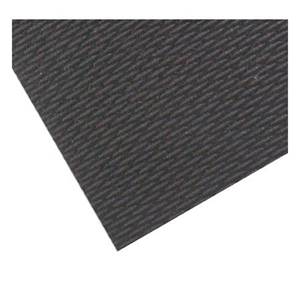
Keep in mind that barn lime is just one way to reduce ammonia levels in your livestock stalls. It’s also important to keep your barn well-ventilated, either by using barn fans or a ventilation system. Regularly clearing out manure and wet bedding and using rubber stall mats can also help keep your stall floors clean and reduce the smell of ammonia.
Can you put barn lime under bedding?
[H3] Can you put barn lime under bedding? Yes, barn lime is often applied under fresh bedding in stalls and pens, especially in areas where moisture tends to collect. It should be used as part of a regular cleaning routine rather than as a replacement for removing wet bedding and waste.
Barn lime can be a useful part of regular barn maintenance, especially in stalls and other livestock areas where damp conditions are a recurring problem. Used correctly, it can help support cleaner, drier conditions, but it works best alongside good ventilation, regular manure removal, fresh bedding, and a consistent cleaning schedule.
Farmers Appreciation Days are back October 16-18! Join us for a weekend dedicated to the hardworking farmers in our communities, featuring special deals, free coffee and donuts, vendor-sponsored snacks, exciting sweepstakes, and free gifts for early shoppers. Stop by Saturday for a free hat or Sunday for a free camping mug, then enter for your chance to win a Milwaukee Shopping Spree or a $200 Ariat Gift Card. While supplies last. Terms and conditions apply.