How ToArticle
How to Winterize a Lawn Mower
Winterizing your lawn mower is crucial for keeping it in top shape. Learn how to clean, maintain, and store your mower during the off-season.
Read More August 1, 2024 | Blain's Farm & FleetWhen it comes to keeping your lawn neat and your edges crisp, a string trimmer (also known as a weed eater or weed whacker) is an indispensable tool. However, with the large variety of options available, selecting the right one can feel overwhelming.
Choosing a string trimmer is about more than just keeping your lawn tidy—it’s about making yard work a simpler, more enjoyable part of your life. That’s why Blain’s Farm & Fleet is here to help you find a string trimmer that not only meets your lawn’s unique needs but also aligns with your personal preferences for handling and comfort.
Before diving into the specifics, it’s important to get familiar with what a string trimmer does. Essentially, it’s a tool designed to cut grass and weeds with a flexible monofilament line instead of a blade.
It’s perfect for reaching places your mower can’t, such as around trees, under bushes, and along fences. Now, let’s break down your options.
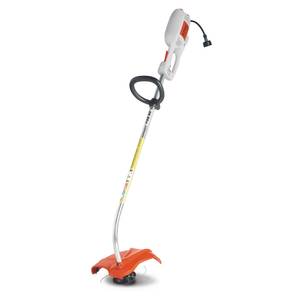
Electric String Trimmers (Corded): Ideal if you have a smaller yard and access to outlets. They’re lightweight, start easily, and require minimal maintenance. However, the cord limits mobility.
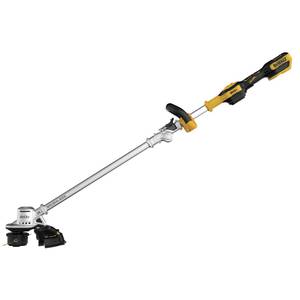
Battery-Powered String Trimmers (Cordless): Offers the freedom of movement without the hassle of a cord. They’re slightly heavier because of the battery but are still easy to handle. Keep in mind, their running time is limited by battery life, so consider your yard size.
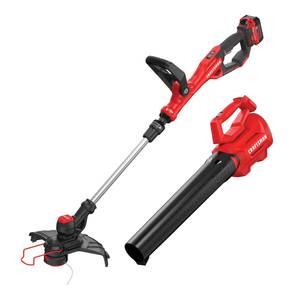
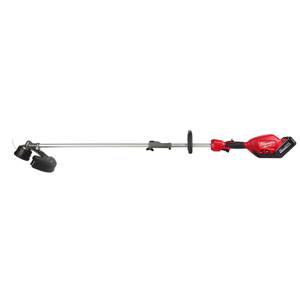
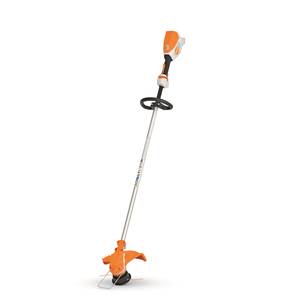
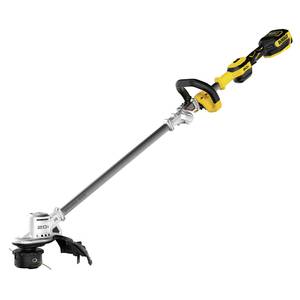
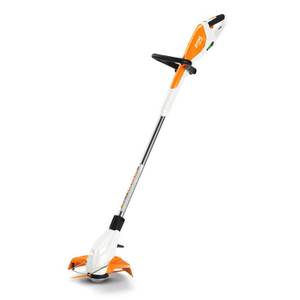
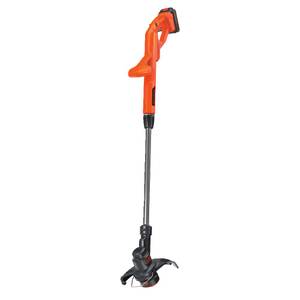
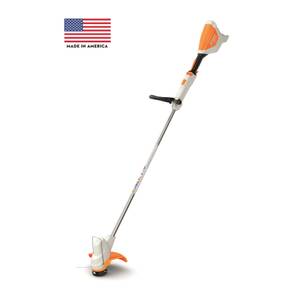
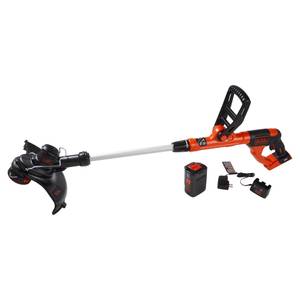
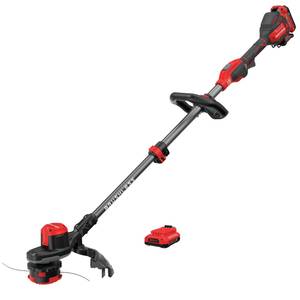
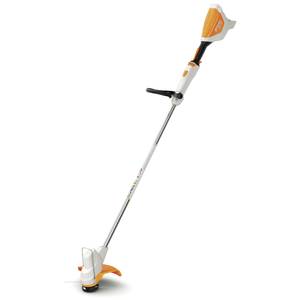
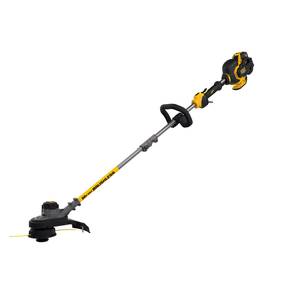
Gas String Trimmers: These are the heavy hitters, suited for large properties and tougher vegetation. They have more cutting power but are also louder and require regular maintenance.
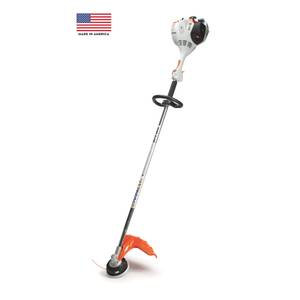
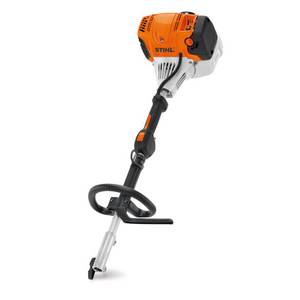
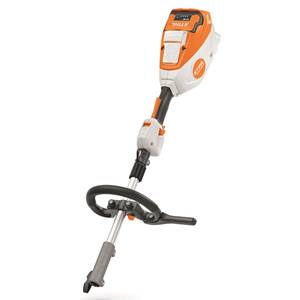

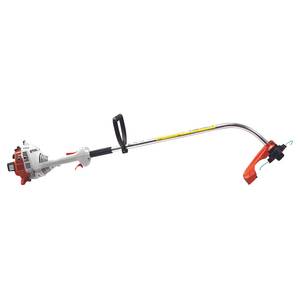
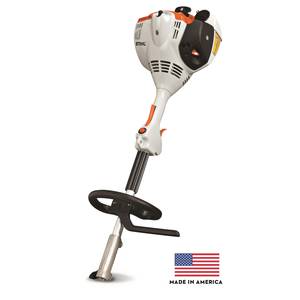
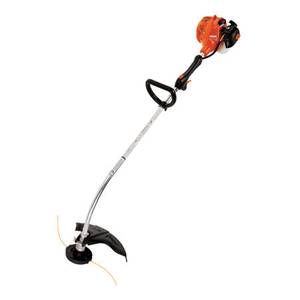
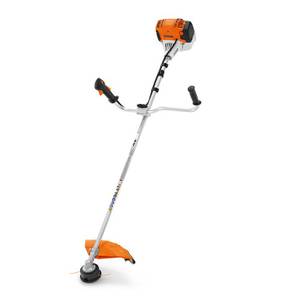
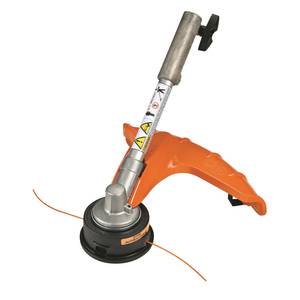
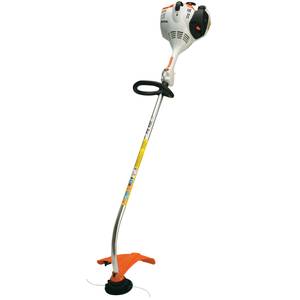
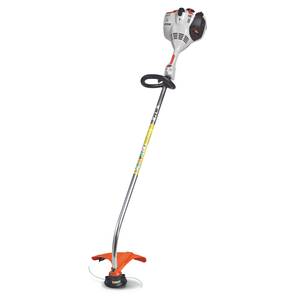
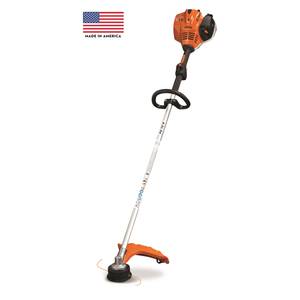
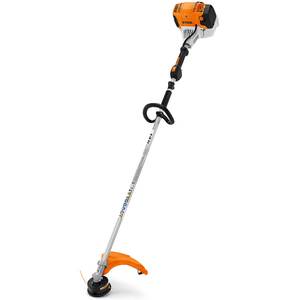
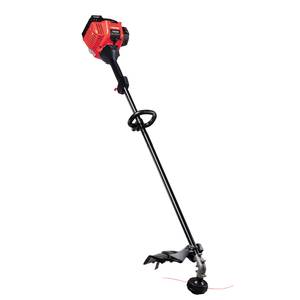
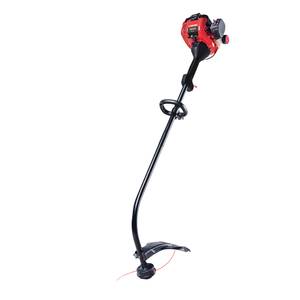
Assess your yard’s size and the type of vegetation you’ll be trimming. This will help narrow down which type suits you best.
Weight and Balance: Comfort is key. A lighter model might be easier to maneuver, but make sure it feels balanced in your hands.
Shaft Type: Straight shafts offer extended reach, ideal for getting under bushes and around obstacles. Curved shafts can be more comfortable and easier to handle for some users.
Cutting Width: Wider cutting paths can save time on large areas, but a narrower width offers precision for tight spaces.
Line Feed System: Automatic systems advance the line for you, while bump feed systems require you to tap the trimmer on the ground. Manual systems, though less common, allow you to pull the line manually.
We recommend visiting your local Blain’s Farm & Fleet to hold the different models and see what feels right. Consider the balance, weight, and how the controls feel in your hands.
Regardless of the type you choose, maintenance is crucial for longevity and safety. Regularly check and replace the trimmer line, and clean the unit after use. For gas models, perform engine checks as recommended by the manufacturer.
Safety should never be overlooked. Always wear protective eyewear, gloves, and long pants. Ensure you read the manual thoroughly to understand all safety features and recommendations.
String trimmers range in price from around $60 for basic electric models to $400 or more for high-end, professional-grade units. Determine your budget by considering not just the purchase price, but also the cost of maintenance, accessories, and in the case of battery-powered trimmers, replacement batteries.
Now that you’re armed with knowledge about types, features, maintenance, safety, and budgeting, you’re well on your way to choosing the perfect string trimmer. Remember, this tool is an investment in your property’s appearance and your own convenience. Take your time, do your research, and choose a model that feels right for you.
For more buying guides like this one, check out our other Outdoor Equipment & Tools articles.