Ducks can be a valuable addition to your farm or backyard. Whether you’re looking to increase egg production, venture into meat farming, or even gain a family pet, ducks are an investment that can leave a lasting impact on your farm or home.
Compared to chickens, ducks are low-maintenance, hardy, and adaptable to various climates. Their eggs are often larger, richer in protein and nutrients, and have a stronger flavor that’s popular in baking and gourmet cuisine. And ducks can thrive on many types of land. They’re excellent foragers, making them useful for insect control and minimal feed requirements.
The needs of every duck owner vary, and some breeds stand out due to their productivity and adaptability. This guide from Blain’s Farm & Fleet covers the essential details about popular duck breeds, their unique qualities, and tips to help you choose the right breed for your needs.
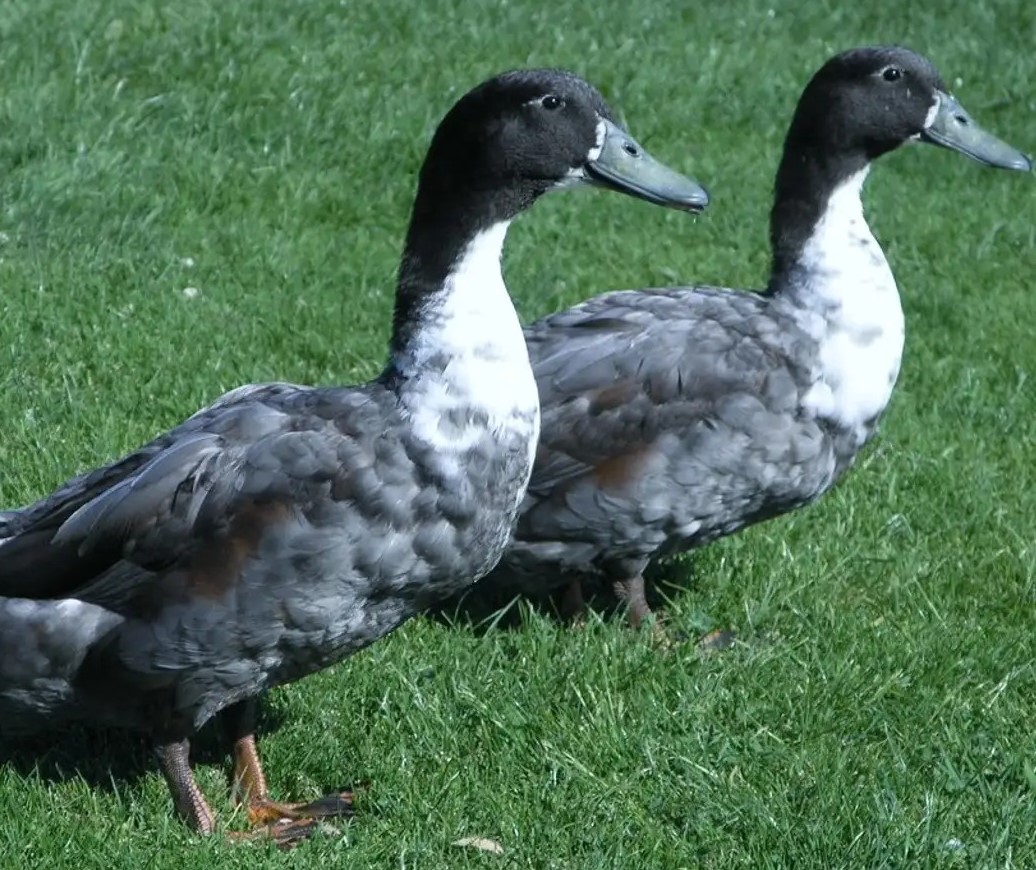
Blue Swedish Duck
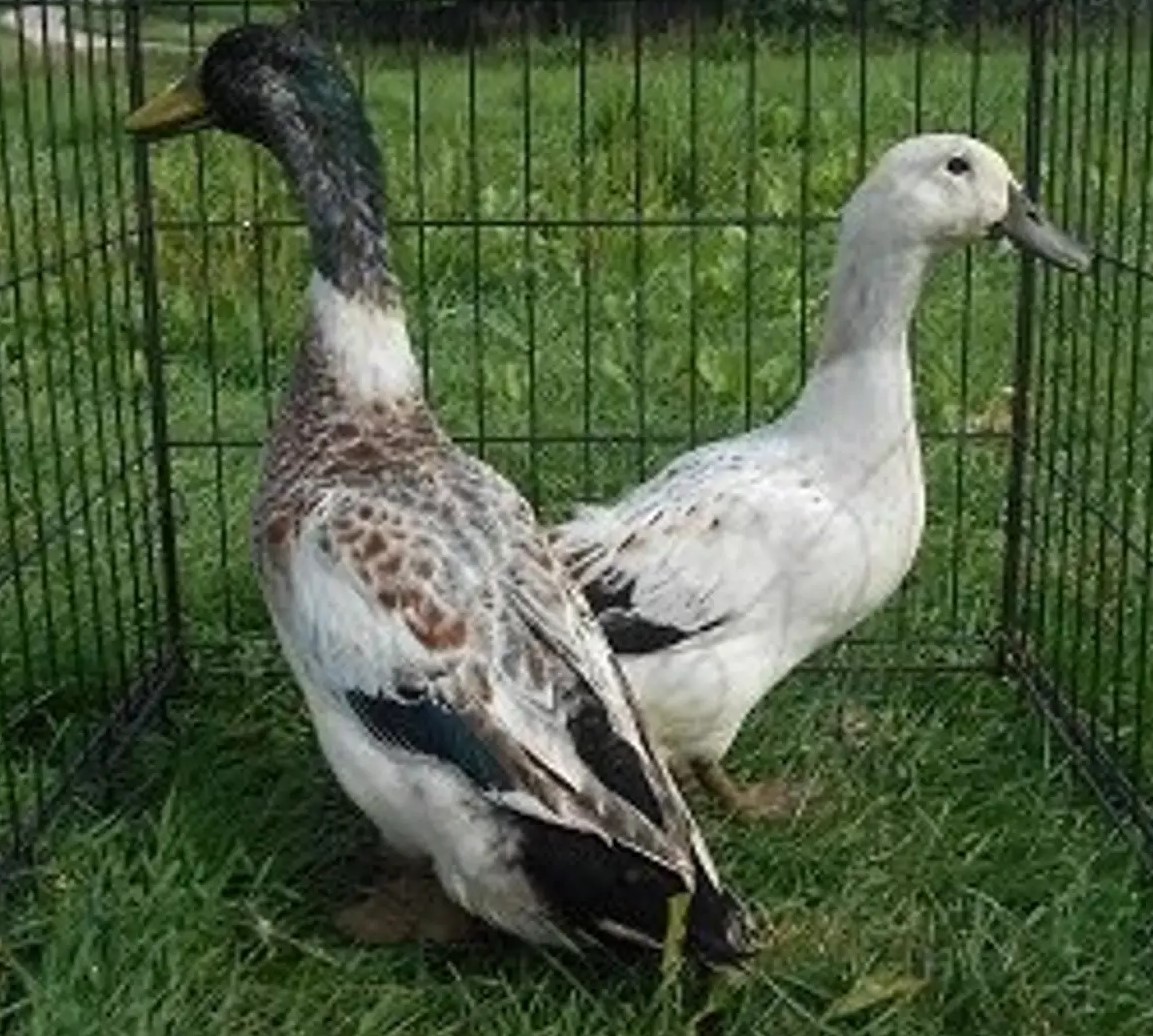
The Blue Swedish duck, one of the oldest domesticated duck breeds, remains a popular choice for enthusiasts today. Known for its impressive size (reaching up to eight pounds) and its resilience in cold climates, this breed is both hardy and easy to care for. Its striking bluish-gray plumage also provides natural camouflage, helping it evade predators. With a calm and friendly temperament, the Blue Swedish duck makes an excellent family pet and is particularly beloved by children.
Main Use
Egg Production
Egg Color
Egg & Meat Production
Good
White/Gray
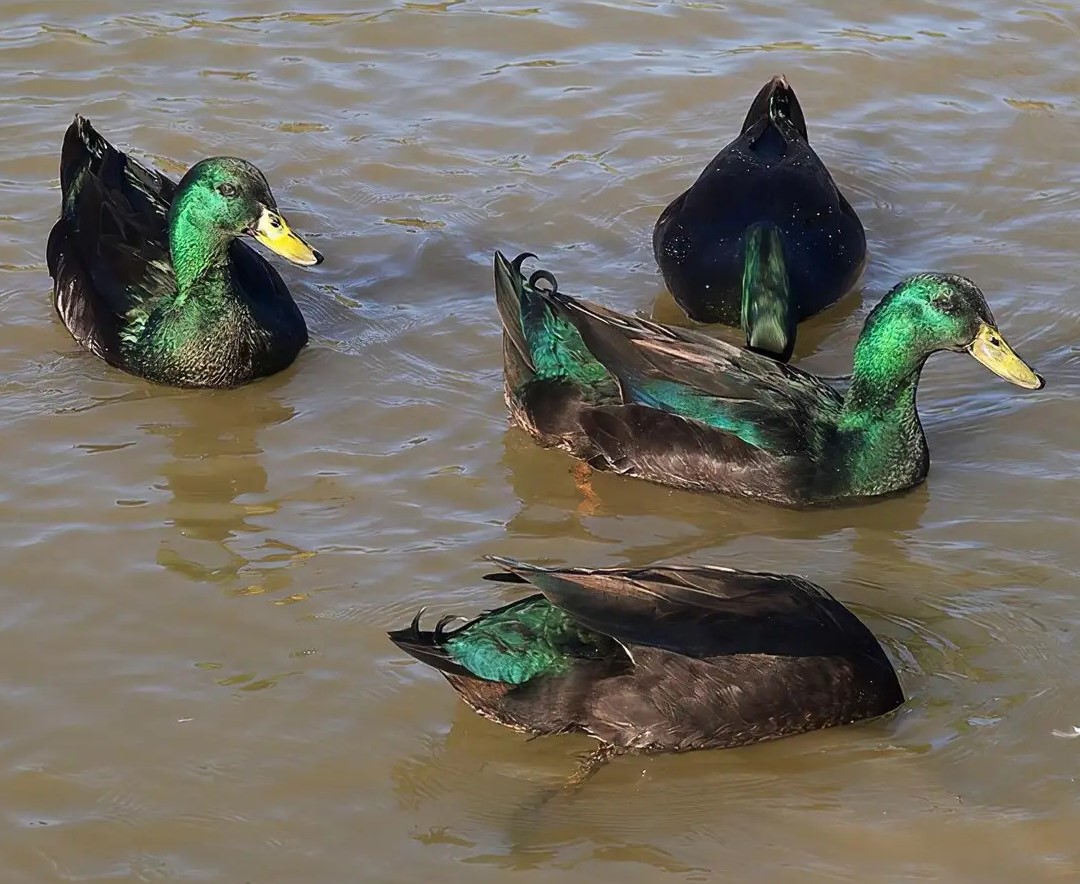
Cayuga Duck
The Cayuga duck is a versatile breed prized for both meat and egg production, as well as its success in poultry shows. Its name comes from Cayuga Lake in New York State, where it was once very popular. One of its most striking features is its iridescent beetle-green sheen, visible when light hits its black feathers just right.
These ducks are excellent foragers, actively seeking out snails, slugs, and other destructive insects, making them a natural pest control solution. Known for their calm temperament, Cayugas do not fly and adapt well to a variety of environments. With their unique traits and practical benefits, Cayugas remain a favorite among duck enthusiasts.
Main Use
Egg Production
Egg Color
Egg & Meat Production
Good
Black to White
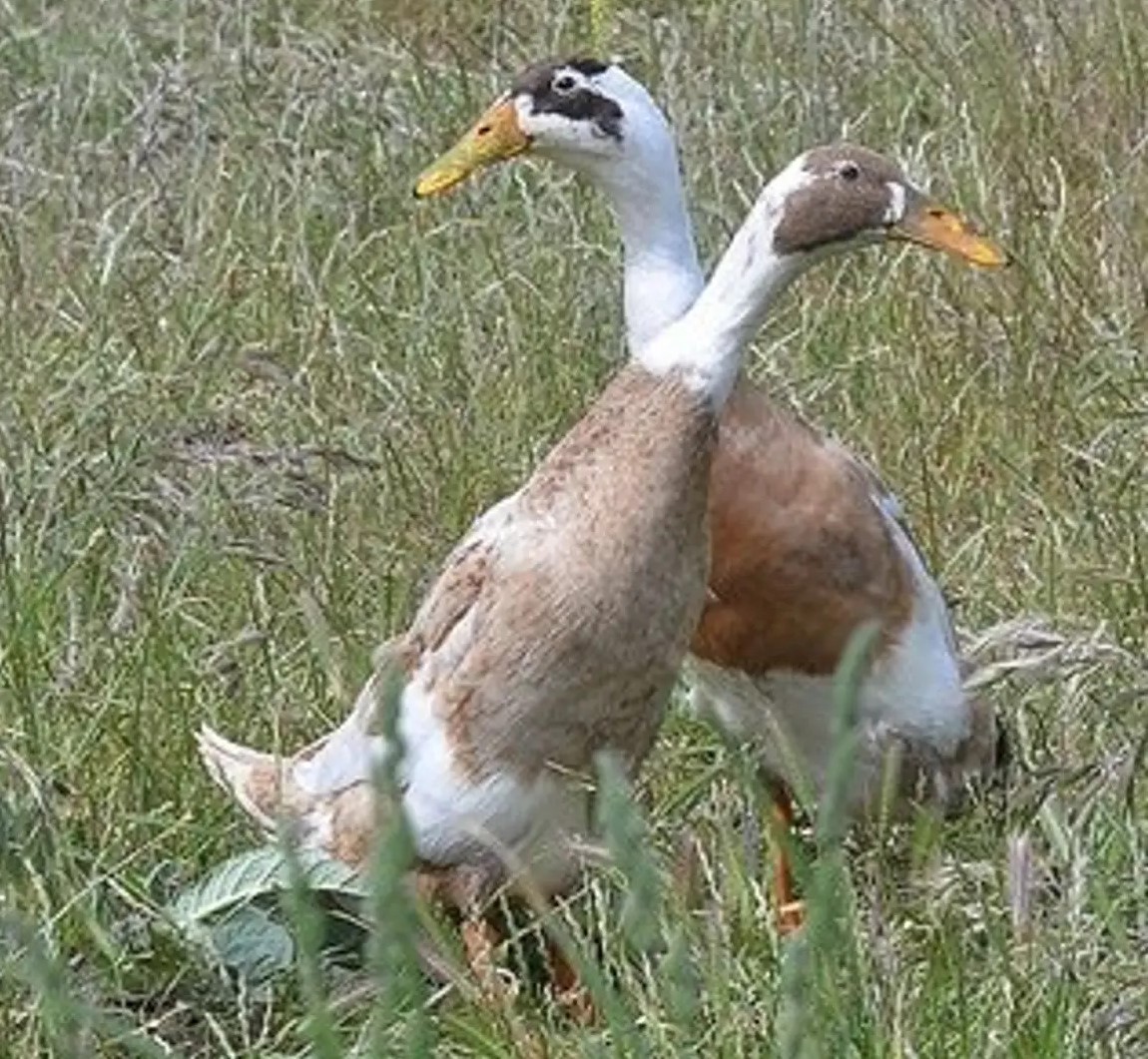
Fawn and White Runner Duck
The Fawn and White Runner duck, also known as the Indian Runner duck, is a beloved breed among enthusiasts, known for its unique appearance and practical qualities. This lightweight duck typically matures at four to four-and-a-half pounds for drakes and three-and-a-half to four pounds for hens. Its most distinctive feature is its long, slender body and upright posture, giving it a sleek and elegant look. Unlike most ducks, Indian Runners run instead of waddle.
These ducks are native to Malaysia and are renowned for their egg-laying abilities. They are also incredibly active and constantly forage for vegetation and insects. They exhibit a strong flock instinct but are also easily startled due to their alert nature.
Main Use
Egg Production
Egg Color
Egg & Meat Production
Very Good
White
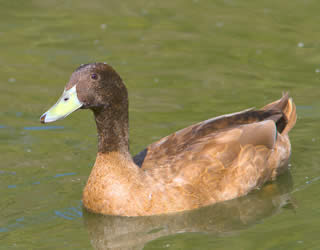
Khaki Campbell Duck
The Khaki Campbell duck, first bred in England in 1901, is renowned as one of the most prolific egg-laying duck breeds. Typically, these ducks begin laying eggs at around 20 weeks of age, making them a reliable choice for egg production. They are highly active and excellent foragers, so they’re well-suited for both farms and backyard environments.
Khaki Campbell drakes are easily recognized by their upright posture, green or bluish-green bills, and striking greenish-bronze heads and backs, contrasted with khaki-tan plumage on the rest of their bodies.
Main Use
Egg Production
Egg Color
Egg Production
Excellent
White
Rouen Duck
Rouen ducks share the same coloration as wild Mallards but are larger in size and incapable of flying more than 100 feet. Originating from France, this versatile breed is valued for both egg production and meat.
Rouens are an excellent choice for ponds and are ideal for backyard flocks. Plus, they’re great for natural insect control. Known for their calm and friendly nature, they also make delightful and entertaining pets. While they grow at a slower pace compared to Pekins, they remain a favorite among duck enthusiasts.
Main Use
Egg Production
Egg Color
Egg & Meat Production
Excellent
Blue-Green to Near-White
Welsh Harlequin Duck
Welsh Harlequin ducks were first bred in Wales in 1949. Descended from the Khaki Campbell, Welsh Harlequins are exceptional egg producers, laying up to an impressive 240 to 300 eggs per year. They are well-suited for backyard flocks and are a common sight at poultry shows across the U.S. Known for their foraging skills and adaptability, Welsh Harlequins are a practical choice.
Interestingly, their gender can be determined at hatching with about 85% accuracy by observing slight differences in bill color. Male ducklings generally have darker bills, while females display lighter bills with a dark tip, though this distinction fades within a few days.
Main Use
Egg Production
Egg Color
Egg Production
Very Good
White
White Pekin Duck
The White Pekin duck, originally from China, was introduced to America in the 1870s and has since become one of the most popular duck breeds. Known for their rapid growth and excellent hatching abilities, they are a favorite choice for both meat production and egg production. Pekin ducks are also a particularly lively and entertaining breed to raise.
Main Use
Egg Production
Egg Color
Egg & Meat Production
Excellent
Black to White
Raising ducks can be a rewarding experience, whether as a hobby or a business venture. Begin by selecting the breed that aligns with your goals and setting up a comfortable environment. Then, enjoy all the benefits these remarkable birds can bring to your life.
From baby chicks to laying hens, choosing the right chicken feed can help your flock grow healthy and strong. Find the right feed with Blain's Farm & Fleet.