
ArticleBuying Guide
Picking the Perfect Pruners
From trimming small branches to cutting down limbs, you can find the right pruners for the job with the help of Blain's Farm & Fleet.
Read More May 10, 2016 | Blain's Farm & FleetHave you ever found yourself wondering why some of your plants thrive beautifully while others struggle, despite your best efforts? Well, you might be surprised to learn that the secret to a thriving garden often lies beneath the surface, in the world of soil pH.
Soil pH may seem like a small detail. But it plays a massive role in the health of your garden. It affects how well your plants can take up nutrients and thrive. Whether you’re a seasoned gardener or just getting your hands dirty for the first time, getting to grips with soil pH can make all the difference.
That’s why Blain’s Farm & Fleet is here to break down everything you need to know about soil pH. So let’s roll up our sleeves and dive into the world of soil pH together! Your plants will thank you for it. And soon you’ll see the rewards of your efforts with a lush, vibrant garden.
The pH of soil is a measurement of the amount of lime in the soil and the type of soil. Soil pH is measured on a pH scale of 0 to 14; 0 being acidic and 14 being alkaline.
A measurement of 7 is considered neutral or balanced, which is optimal for many plants. However, some plants prefer a slightly more acidic soil of 5 to 6.
When amending your soil’s pH, you will want to match the pH level to the needs of your plants. That being said, if a soil’s pH is below 5 or above 7 it is considered toxic for most plants. Understanding the balance is crucial because it affects essential nutrient availability, microbial activity, and overall plant health.
In general, soils in dry, sandy climates are more alkaline, and soils in moist climates are more acidic. Rainfall in these moist climates causes soil to be more acidic by washing away natural calcium and magnesium.
The type of rock that makes up the soil also determines soil pH. For instance, if there is a lot of lime in the ground in your area, you will have more alkaline soil.
Understanding these factors can help you work with your garden rather than against it.
Testing your soil’s pH is the first step towards a healthy garden. The easiest way to do this is with a home testing kit. It’s a simple process that can save you a lot of guesswork:
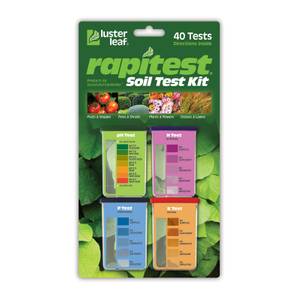
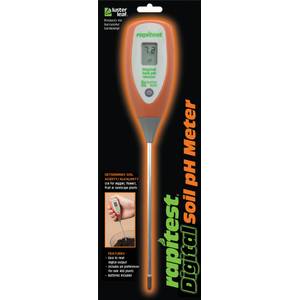
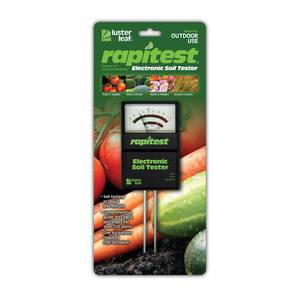
Remember, knowledge is power. Knowing your soil’s pH sets the stage for making any necessary adjustments.
Slow and steady wins the race when raising soil pH. If you go too fast, you risk killing healthy organisms in the soil, which are essential for healthy plant growth. You should raise the soil pH by no more than 1 point each season, and continue to test your soil each year.
You can lower the level of acid in your soil by adding lime. Follow the directions on the bag of lime you purchase to determine how much you should add to your soil.
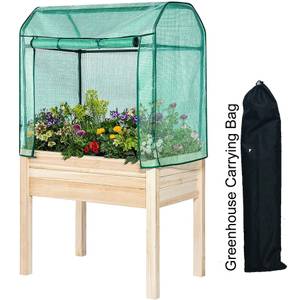
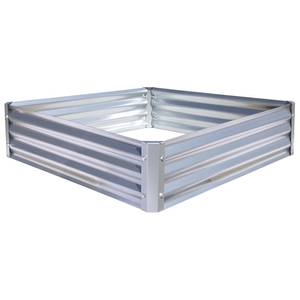
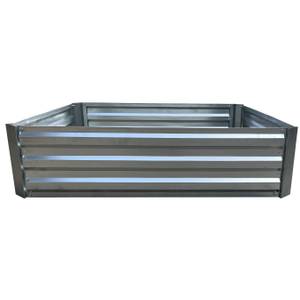
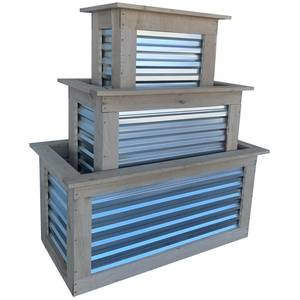
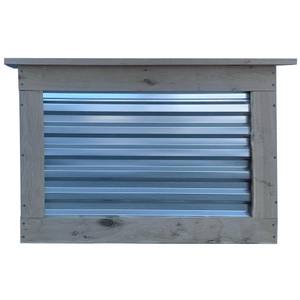
It is quite a bit more difficult to adjust overly-alkaline soil than it is to lower acidity in soil. If you are planting a small- to moderately-sized garden and you have alkaline soil, your best option may be to use raised garden beds. In these beds, you can use high-quality soil instead of the alkaline ground dirt.
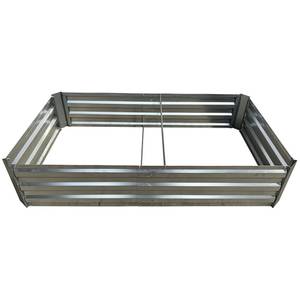
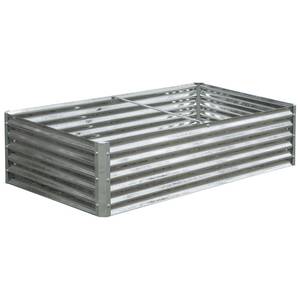
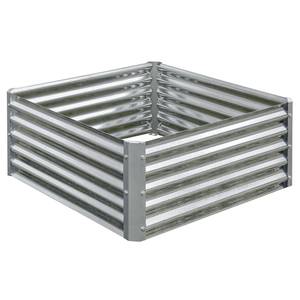
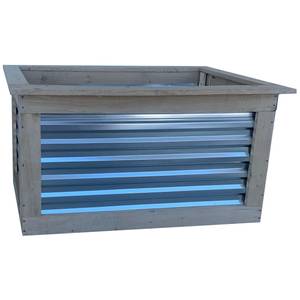
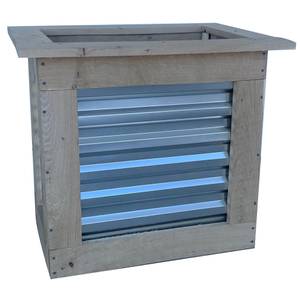
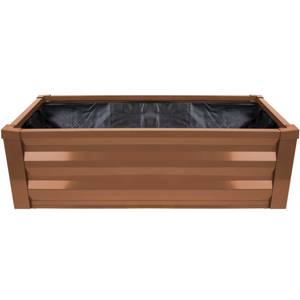
If raised beds are not possible, you can use sulfur to lower the alkalinity in soil. You will need to mix the sulfur thoroughly into the soil before planting.
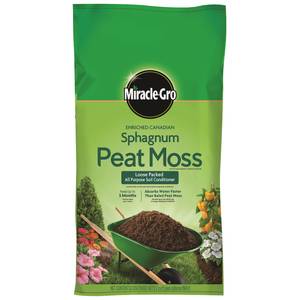
You can also add sawdust, wood chips, leaf mold, and peat moss to soil to lower its pH. These may work best in conjunction with sulfur, especially if the soil is very alkaline.

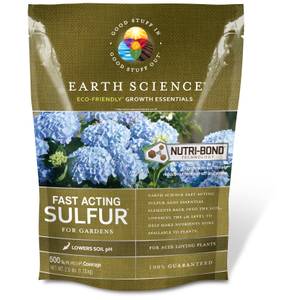
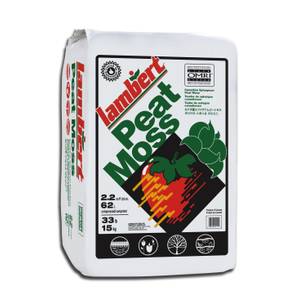
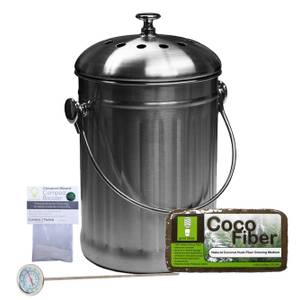
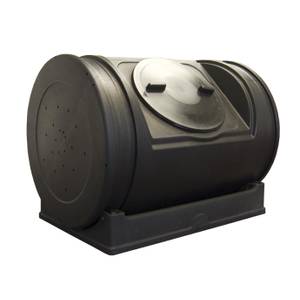
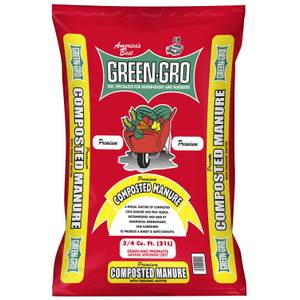
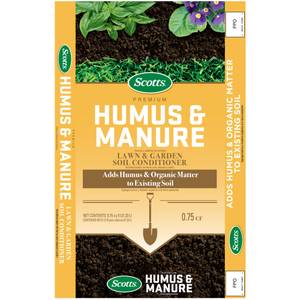
We highly recommend the use of compost as a buffering agent to stabilize the pH in soil. In soil, the rich organic material of compost works well in keeping your soil pH from fluctuating dangerously, causing stress for your plants.
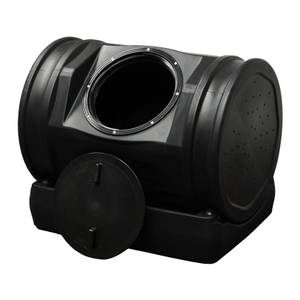
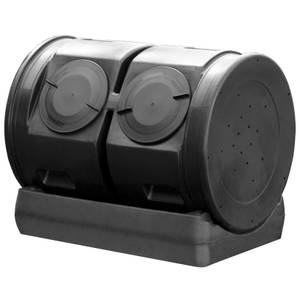
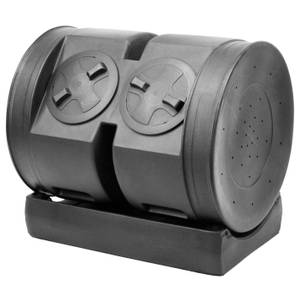
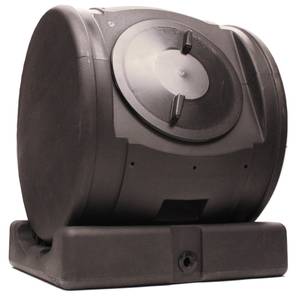
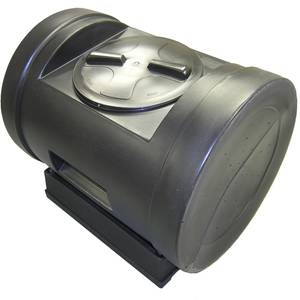
You can gather compost in a compost bin or buy it in the form of processed manure.
There are many reasons a garden might not thrive. Be sure to not let pH be one of those reasons. Understanding and adjusting soil pH might seem like a daunting task. But it’s really about getting to know your garden better.
Remember, gardening is a journey. And every step you take towards understanding the needs of your garden brings you closer to a lush, thriving outdoor space.
You can find more guides and how-tos like this one by checking out our other Gardening articles.