Horseshoes is a classic outdoor game that combines skill, precision, and a bit of friendly competition. It’s easy to learn and is a staple at social gatherings. Whether you’re planning a backyard barbecue or looking to join a local league, this guide from Blain’s Farm & Fleet will walk you through everything you need to know to start playing horseshoes.
The origins of horseshoes can be traced all the way back to ancient Greece and Rome, where athletes played a similar game with rings. Over time, the game evolved, and as horseshoes became a common item, they were repurposed as throwing objects.
The modern version of the game came to the United States in the late 19th and early 20th centuries. Today, it remains a favorite pastime for friends, families, and serious competitors alike.
What You’ll Need
To play a game of horseshoes, you’ll only need these few key pieces of equipment:
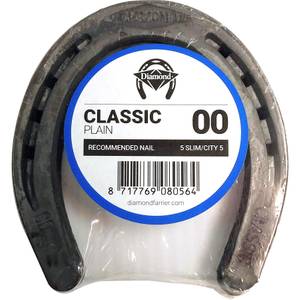
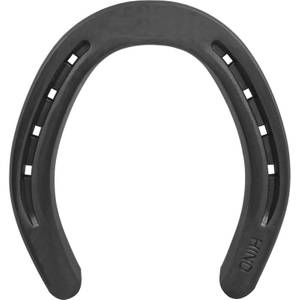
Horseshoes: The game requires four horseshoes, two for each player or team. For casual play, you can use standard horseshoes. However, serious players may prefer regulation horseshoes, which are made of forged steel.
Stakes: You’ll need two metal rods about 36 inches long and 1 inch in diameter. These will be placed in the ground to use as targets.
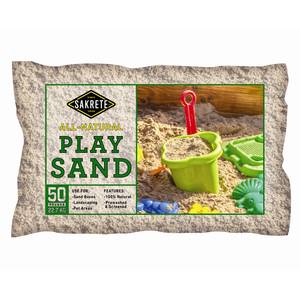
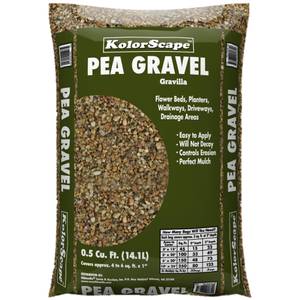
Playing Area: You’ll need a flat, outdoor space to set up the court, which should measure about 40 feet from stake to stake. You’ll also need sand or gravel to create pits where the horseshoes can land.
Tape Measure(optional): For serious players who want to measure the distance of a thrown horseshoe from the stake, you’ll need some sort of measuring device.
For all the basic supplies, consider investing in a horseshoe set.
Before you throw your first horseshoe, it’s important to set up the playing area properly. Follow these steps:
Position the Stakes: Place the two stakes 40 feet apart from each other. For younger players or casual games, feel free to adjust the distance based on your needs.
Angle the Stakes: Drive each stake into the ground at a slight angle (about 12 degrees) towards the opposite stake.
Create the Pits: For the best experience, set up pits around each stake. Clear the area around them, then add a layer of sand, clay, or gravel. This will make it easier for the horseshoes to land and stick.
Mark the Foul Lines: Create a foul line 3 feet in front of each stake (this can be adjusted for kids or beginners). Players must stand behind this line when pitching.
Horseshoes Rules
Once your playing area is ready, it’s time to start the game! Here are the basic rules you’ll need to know:
Objective: The goal is to pitch horseshoes so they encircle the stake (also known as a “ringer”) or land as close as possible to it. Points are awarded based on how the horseshoes land.
Pitching Order: This game can be played one-on-one or in teams of two. Decide which player or team will go first. Players will alternate turns after each toss, throwing two horseshoes each.
Throwing: Players should stand behind the foul line. Then, throw the horseshoe underhand toward the opposite stake. Try to make it hook around the stake or land near it.
Landing: After all players have thrown, scores are calculated based on where the horseshoes land.
Scoring System
Here’s how points are scored while playing horseshoes:
Ringer: A horseshoe that completely encircles the stake is worth 3 points.
Closest Horseshoe: If no ringers are made, the horseshoe closest to the stake earns 1 point. Optionally, if one player’s two horseshoes are closer than either of their opponent’s, they can earn 2 points.
Cancellation Rule: If both players score ringers, they cancel out, and the next closet shoe is scored.
Only one team or player scores per round. For example, if one player scores a ringer, their opponent does not score a point for having the second closest horseshoe. Games are typically played to 21 points, but you can adjust this based on your preferences.
Tips for Beginners
If you’re new to horseshoes, here are a few tips to help improve your skills quickly:
Practice Your Grip: Hold the horseshoe by the straight edge with your palm facing up. Experiment with different grips to find what feels most comfortable for you.
Focus On Your Horseshoe Pitching: Take your time lining up your shot. Aim for a smooth, flat release, so the horseshoe flies level through the air.
Play Regularly: Like most games, the more you practice, the better you’ll get. Invite friends or family over for a game, and use it as an opportunity to refine your skills.
Horseshoes is a game that’s easy to learn and fun to play. Whether you’re playing at a family picnic, a local tournament, or casually in your backyard, it’s a classic game worth trying. And by following this guide, you can start playing with your friends and family in no time!