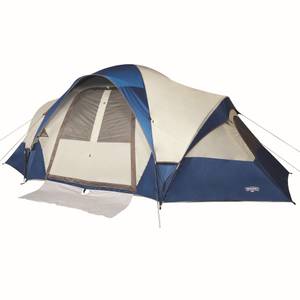
Heading into the great outdoors can be one of life’s greatest pleasures. But before you can sit back and gaze at the stars or listen to the serene sound of the wilderness, there’s one essential piece of equipment you’ll need to choose carefully—your camping tent.
Whether you’re a seasoned camper or new to the experience, finding the right tent is crucial for ensuring your adventure is comfortable, safe, and enjoyable. Follow this guide from Blain’s Farm & Fleet to find the best tent for your camping needs.
Understanding Your Needs
Before diving into the sea of tents available, it’s important to figure out what you need. Consider the type of camping you plan to do, the weather conditions you might face, and the number of people who will share the tent. These factors significantly influence your choice, so think them through carefully.
Types of Tents
Not all camping tents are created equal. Now that you know what you’re looking for, consider which type of tent will be best for you:
- Dome Tents: Dome tents are popular for their stability and wind resistance. They’re relatively easy to set up and often have good headroom.
- Cabin Tents: If space is a priority, cabin tents are ideal. They offer vertical tent walls for maximum roominess but can be challenging to set up and less resistant to strong winds.
Match your needs with the tent type that best suits your camping style.
Size and Capacity
One of the biggest rules of tent selection is ensuring it has enough room to accommodate everyone comfortably. Consider the following:
- Capacity: Tent capacities are a rough guideline. We recommend opting for a tent rated for one person greater than the number intending to sleep in it. This ensures a more comfortable experience with extra space for gear.
- Length and Width: If you or your family members are particularly tall, ensure that the tent is long enough to sleep without curling up. Additionally, width is about personal space. A little extra room goes a long way.
- Peak Height: Tents with higher peak heights not only provide a roomier feel. But they also make changing clothes or passing time inside on rainy days much easier.
Find a tent that has enough interior space to fit everyone comfortably and that has room for all your camping gear.
Seasonality
The weather will be your greatest challenger. And your tent should protect you from it. Choose a tent based on the seasonality of your trips:
- 3-Season Tents: These are the most popular and versatile. They’re built to protect you from spring, summer, and fall weather conditions, offering good ventilation and keeping you dry in light to moderate rain.
- 4-Season Tents: Designed to withstand harsh winter conditions, 4-season tents have a tougher build to handle heavy snow loads and high winds. They come at the cost of ventilation, making them less suitable for warmer weather.
Go for a tent that will always be prepared for whatever nature throws your way.
Other Features to Consider
While sizing and seasonality are key features, it’s often the little tent features that can make or break your camping experience. Look for these features when selecting your shelter:
- Material: Polyester and nylon are common for their durability and water resistance. Canvas tents are heavier but excel in insulation and longevity.
- Ventilation: Proper airflow prevents condensation buildup and a muggy environment. Mesh windows, ceilings, and some strategically-placed vents can make all the difference.
- Weight: Consider the tent’s weight if you’ll be backpacking. Every ounce matters when you’re carrying your home on your back.
- Floor and Footprint: A durable, waterproof tent floor with seams high enough to prevent water seepage is essential. A footprint adds further protection and prolongs the tent’s life by shielding the floor from abrasion.
- Doors and Awnings: Multiple doors allow for easier entry and exit, especially if the tent is at capacity. Awnings offer a dry spot to undress or store gear before entering the actual sleeping area.
- Storage: Look for ample loft space and interior pockets. These are a game changer for keeping the tent organized and belongings off the floor, which is especially important during rainfall to avoid a damp disaster.
- Setup and Takedown: Ease of setup is crucial, especially for beginners. Many modern tents come with color-coded tent poles or instant frames that simplify the process.
Get into the nitty-gritty of each feature. The details are often what ensures a pleasant camping outing.
Price and Quality
While it’s tempting to go for the cheapest option, remember that a good tent is an investment in your comfort and safety. Higher-priced tents often offer better materials, more features, and longer durability.
Set a realistic budget that reflects the quality you expect and the frequency of your camping trips.
Care and Maintenance
Taking care of your tent extends its lifespan. This includes proper cleaning, drying, and storing practices. Commit to regular maintenance and follow the manufacturer’s instructions for care and repair.
Choosing the right camping tent involves understanding your needs and knowing what to look for. With this guide, you’re well on your way to selecting a tent that will serve as a comfortable, safe shelter on your camping adventures.
Remember, the best tent is the one that meets your specific needs while offering reliability and durability. Happy camping!
For more buying guides like this one, check out our other Camping articles.